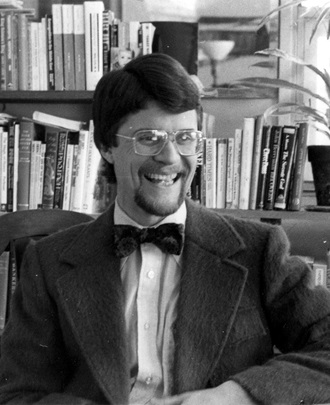
In part two of his interview, Eisenman focuses on his time working in Governor Ogilvie's administration to lower the cost of higher education by allowing the cost of tuition to rise, but providing more scholarships for low-income students. Additionally, he discusses the Illinois Blood Labeling Act, the creation of a large-scale blood drive at the University of Illinois, and local politics regarding the Champaign County Blood Bank.
Eisenman discusses the differences in campus culture between the University of Illinois and Harvard. He also describes the academic environment at UIUC, with a particular focus on faculty in the sciences.
Eisenman discusses the discontent certain faculty members and students felt during the centennial year regarding the quality of education at the University of Illinois. Of major concern was the length of time it took for new courses to be approved, which Eisenman found discouraging during the Vietnam era, a period of rapid change.
Eisenman discusses the interdisciplinary work that occurred at the University of Illinois in the 1960s. He highlights the use of computers in fine and applied arts, which was uncommon at the time. Finally, he talks about electronic and classical music, composer John Cage, and Cage's work at the university.
Eisenman expands on electronic music and John Cage's compositions, which were introduced in David Eisenman (Part 5). Eisenman touches on Cage's composition methods, the performance of HPSCHD in Assembly Hall, and a class on electronic music taught by chemistry professor Lejaren "Jerry" Hiller.
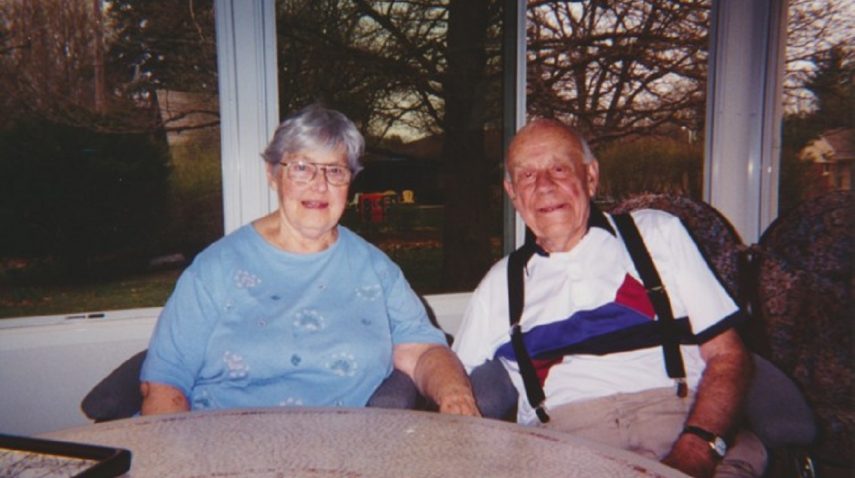
David Hubbard (1914-2001) was a member of the Class of 1937. He grew up on a farm and earned a BS in Agriculture. He also took a teaching certificate and completed some graduate coursework. David said his family experienced a lot of hardship during the Great Depression.