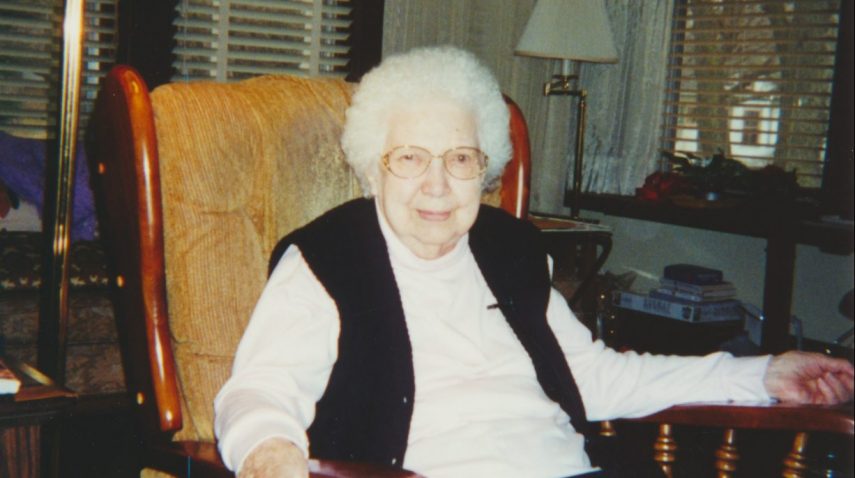
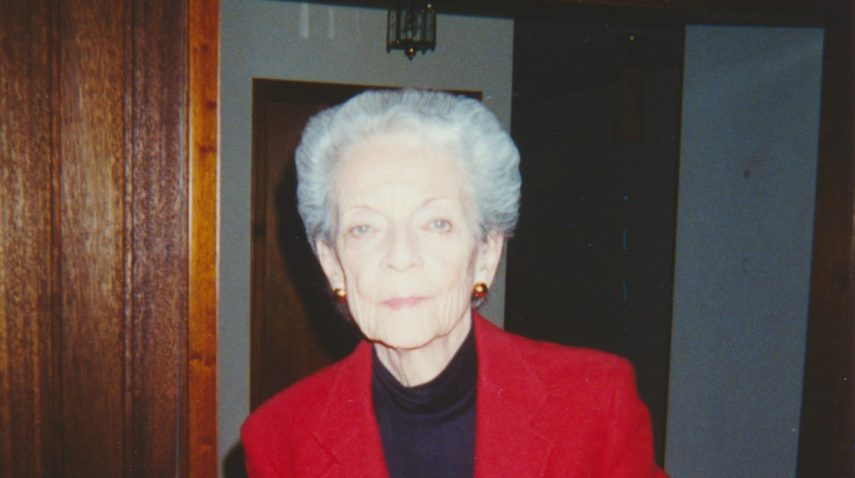
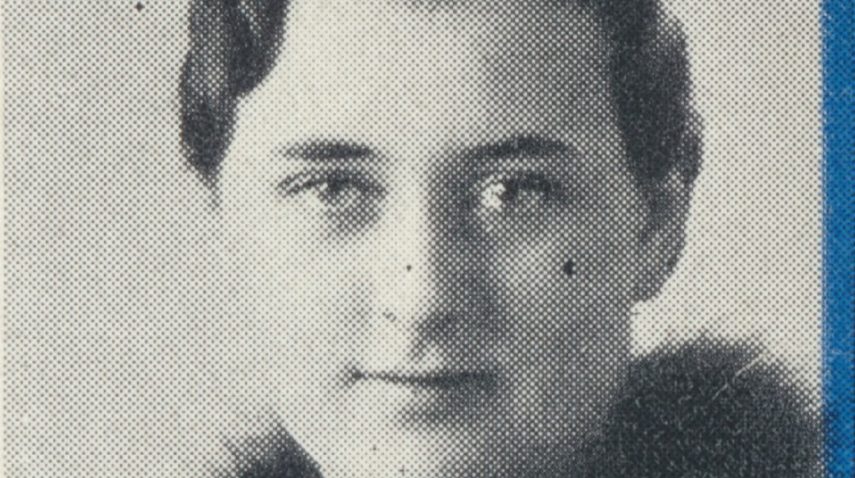
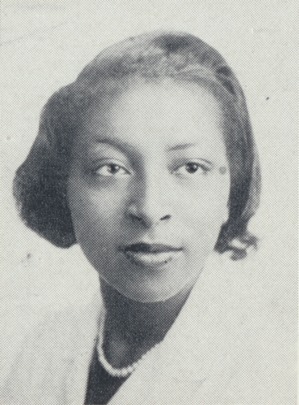
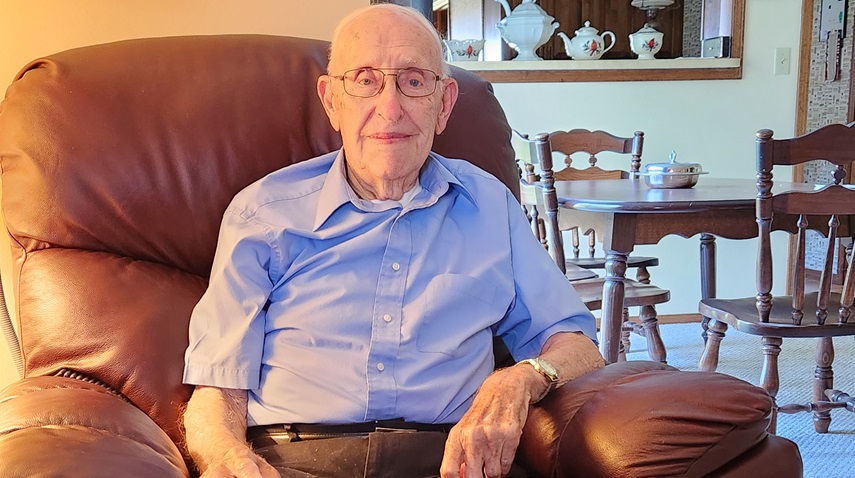
Junette James (1913-2012) attended the University of Illinois on a full scholarship. She studied education and graduated in 1935. Also, she was active in the Lutheran Student Association. Junette's family was not wealthy, and she felt broke throughout the Great Depression.
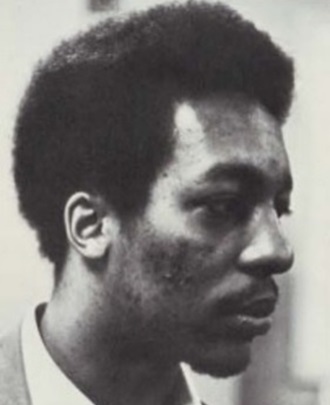
Karl Huff earned his Bachelor's degree in Music Education in 1972 from the Department of Fine and Applied Arts. In this interview, he recalls his role in the 1968 Union Demonstration: voicing support of black students' concerns while acknowledging that he himself had adequate housing. Huff was active on campus in the Black Student Association, Dorm Councils, and the Student Advisory Council to the Dean.
Katharin Fishbaugh Carr (1908-2002) was a member of the Class of 1931. She joined the Alpha Phi sorority and studied Home Economics. Kay said she noticed the effects of the Great Depression, but did not experience hardships directly.
Kathryn Hansen (1912-2006) graduated in 1934. She attended the U of I on scholarship and studied Journalism, English, and History. She was inducted into several honor societies, and she joined the Alpha Delta Theta sorority. Kathryn loved literature; and she earned a Master's of Literature and wrote a book named Grundy Corners.
Katie Harper Wright came to the University of Illinois at age 16 and enrolled in the school of Liberal Arts and Sciences (LAS). She experienced formal segregation at the university and was forced to live off-campus in Champaign. She also recounts her memories of Pearl Harbor and her friendship with the group of black air force pilots later known as the Tuskegee Airmen.
Kenneth Roellig served in World War II, and then used the GI Bill to attend college. He first studied at the Galesburg campus, specifically established to accommodate the influx of students after the war, and then transferred to Urbana. After graduating in 1950, he returned in the mid-1950s for graduate school, and then came back once again after receiving his master’s degree to study for an advanced certificate. In this interview, he discusses his early life, military service, time at both campuses, experience as a graduate student, and later career.