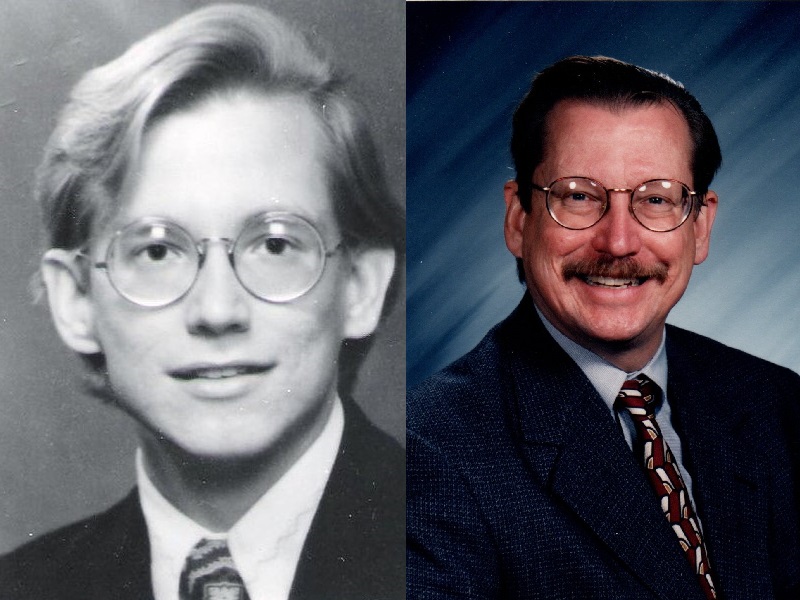
Fritz Plous has worked as a freelance writer and journalist for the Chicago Sun-Times and United Press International. In his sophomore year, he discovered traditional music when he heard a freshman student, Jarvis Rich, playing a five-string banjo in the dormitory room across the hall. At Rich's suggestion, he soon became a member of the CFC, where he joined the board and was named editor of the monthly newsletter, the Autoharp. Fritz Plous currently serves as director of communications for a Chicago firm that leases railroad rolling stock and works to promote passenger-rail transportation and urban transit options in Illinois and throughout the United States.
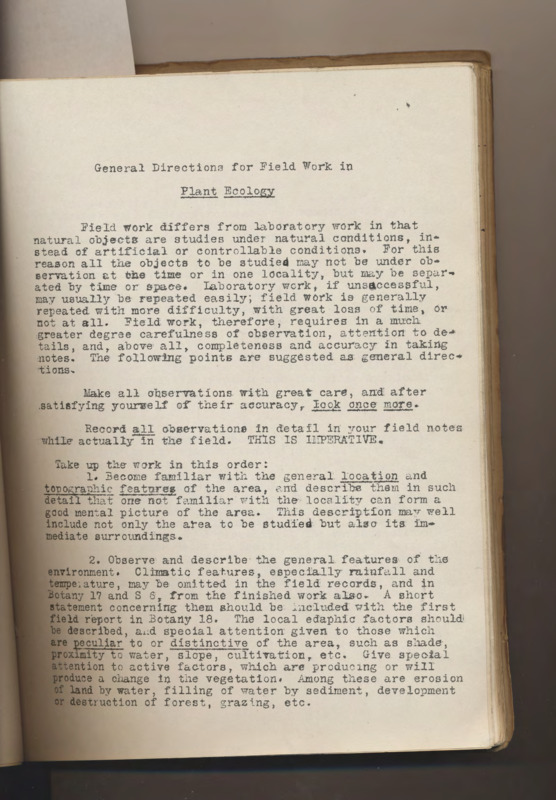
Two typed pages from Arthur Vestal's teaching notebook that illustrate steps to proper observation and note taking with regard to plant ecology and phytogeography
George Miller attended from 1970 to 1974, and lived in Unit One at Allen Hall in its first year of existence, 1971-72. He joined Neely Bruce’s American Music Group, and later taught high school business. In this interview, he discusses the beginning of Unit One, in loco parentis period, student life, and the Library.
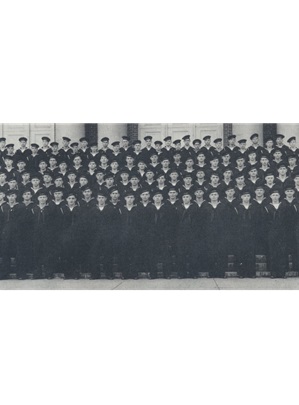
George Reynolds (1918-2014) enlisted in U.S. Army in 1942 and in 1943 was sent to the University of Illinois for instruction in the Army Specialized Training Program in the French language to aid the post-war government of France. He discusses his experiences at the University and his separation from the general student body because of the demands of his intensive training.
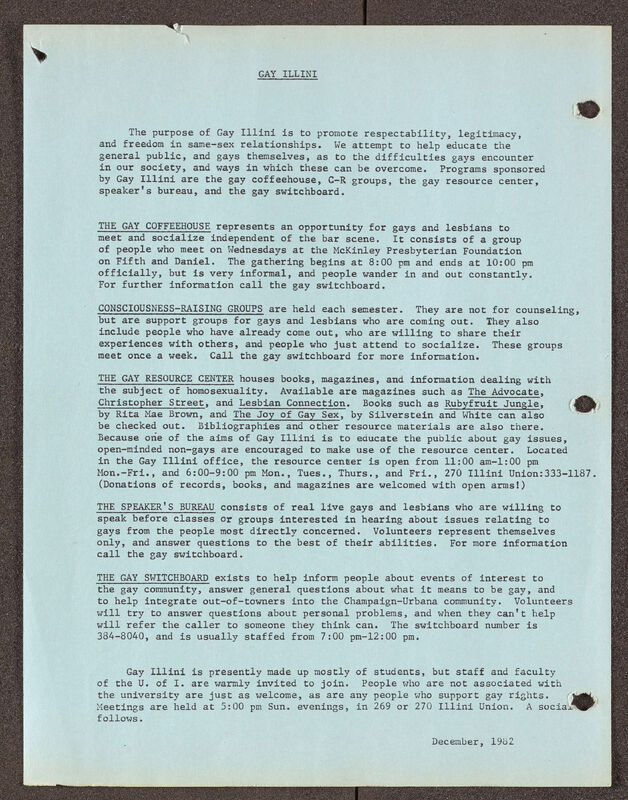
Georgia King, President of the Greater Community AIDS Project and a GCAP volunteer for almost 40 years, chronicles the organization’s founding—when it was still known as the Gay Community AIDS Project—and provides insight into the sort of urgency and stigma that resulted in GCAP’s founding during the 1980s. From there, King centers GCAP’s narrative in the realm of local AIDS activism through her discussion of their collaboration with organizations like the Prairie AIDS Foundation and the support of local volunteers to construct the GCAP boarding house. This boarding house, which has been in use for over 30 years, provides housing and food assistance to those living with AIDS.