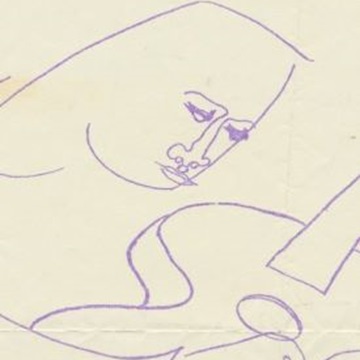
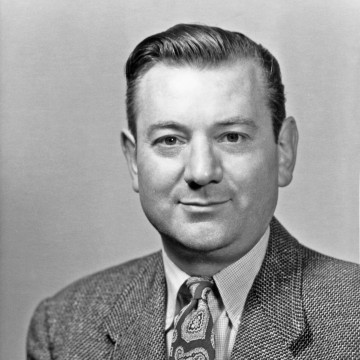
Vic Lukas, co-founder of the University of Illinois Campus Folksong Club, reads an essay about a controversial performance hosted by the club. Robert Johnson, a Black shoe shiner and carnival entertainer, was invited to play at the university. After his musical performance, the host asked him to tell about his carnival experience, which offended high-ranking university officials. Lukas considers how racism affected the reaction to Johnson’s performance.
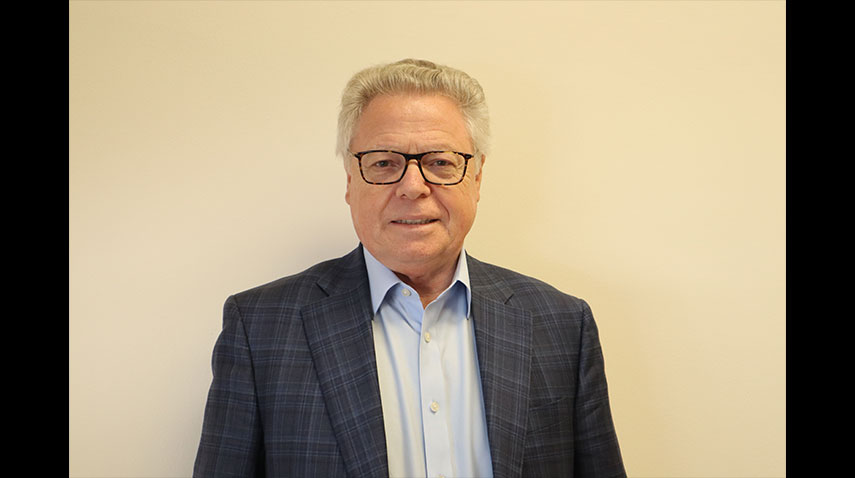
Andreas Cangellaris, Departing Vice Chancellor for Academic Affairs and Provost for the University of Illinois Urbana-Champaign. Oral history conducted for inclusion in the COVID-19 Documentation Project, a collaboration between the University of Illinois Archives and the University of Illinois System.
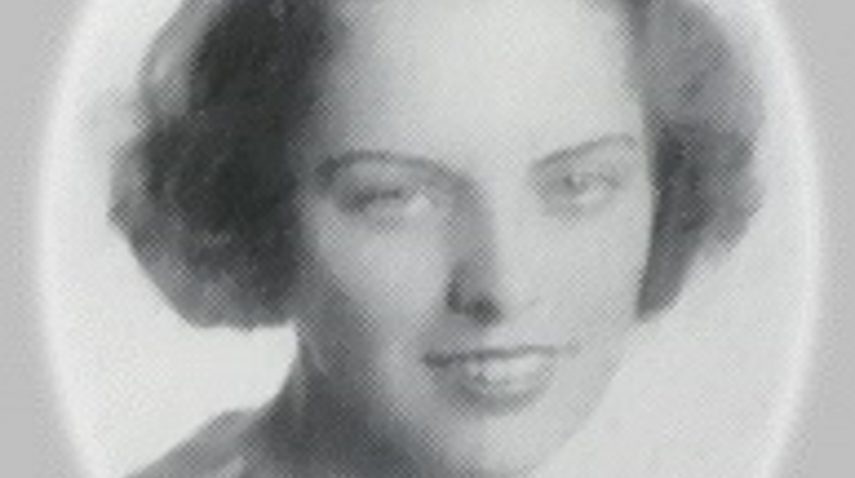
Anita Margaret Crites Crawford (1913-2005) was a member of the Class of 1935. She earned a teacher's certificate and later entered law school. She said that she was not hurt by the Depression because a placement service helped her find a teaching job.
Anna Pinsoneault, Director of Public Health Relationships at SHIELD Illinois. Oral history conducted for inclusion in the COVID-19 Documentation Project, a collaboration between the University of Illinois Archives and the University of Illinois System.
This detailed interview with Archie Green, the faculty sponsor of the Folksong Club, begins by documenting Green’s upbringing in an immigrant enclave of California and his burgeoning class-consciousness. Although he would have preferred to work as a laborer in California, he was encouraged to become an intellectual at the University of Illinois. During his tenure as a librarian for the Institute of Industrial Relations, he helped the Folksong Club bring folk artists and folklorists to campus. A large focus of the interview is the intersection of politics and folk music. Green also discusses his relationships with various folk artists.
Archie Green reflects on his education and time as a librarian for the university’s Labor Institute. Green was hesitant to move to Urbana because it was not as progressive or exciting as San Francisco and it meant his wife and three kids would have to move their lives. As a university faculty member, Green served as the faculty advisor for the Campus Folksong Club. Green discusses the formation of the club, its members, and the musicians the club invited to perform.
Archie Green discusses the development of his aesthetics and views on folk culture. He reflects on the differences between popular folk artists and their politics. He also talks about his mother as a folk artist and Yiddish culture. The interview ends with a discussion of the lobbying process for the American Folklife Center.